Major Hollywood studios have demanded that ByteDance, the Chinese owner of TikTok, immediately stop its new AI video tool, Seedance 2.0, over alleged copyright violations involving clips based on existing films and TV shows.
The Motion Picture Association (MPA), representing leading US studios including Netflix, Paramount Pictures, Amazon MGM Studios, Sony Pictures, Universal Studios, The Walt Disney Studios, and Warner Bros Discovery, said the AI service engaged in “unauthorised use of US copyrighted works on a massive scale” in a single day.
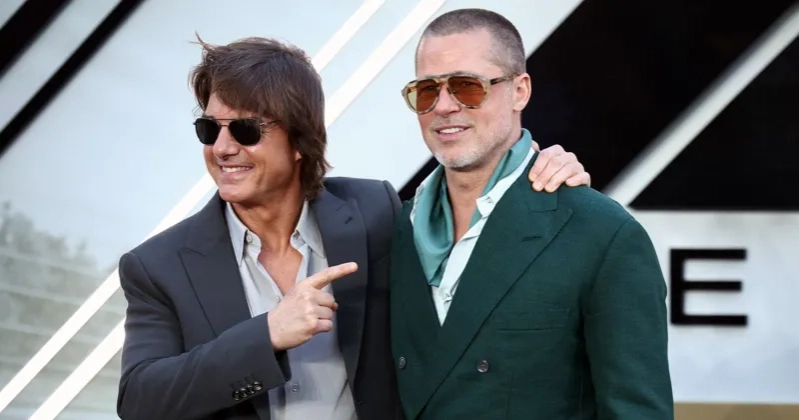
Seedance 2.0 allows users to generate highly realistic clips from short text prompts, including scenes featuring actors such as Tom Cruise and Brad Pitt, as well as reimagined TV characters. The tool has gone viral on social media, with users posting AI-generated scenes based on franchises like The Lord of the Rings, Seinfeld, Avengers, and Breaking Bad.
MPA chairman Charles Rivkin criticized ByteDance for operating “without meaningful safeguards against infringement,” warning that the tool undermines copyright protections and threatens millions of jobs in the US entertainment industry.
ByteDance said it has suspended the ability to upload images of real people and will implement robust monitoring to ensure compliance with intellectual property laws. The company described the AI-generated content as part of a limited pre-launch testing phase and stressed that it takes potential copyright issues seriously.
Hollywood creators have expressed concern over the technology’s implications. Deadpool writer Rhett Reese described the AI-generated fight between Tom Cruise and Brad Pitt as “professional” and said the industry could face a major disruption. Heather Anne Campbell, writer for Saturday Night Live and Rick & Morty, noted that while AI allows limitless creative possibilities, original ideas remain challenging, comparing many outputs to fan fiction.
The rapid rise of AI-generated video is prompting urgent discussions in the US entertainment sector on how to balance innovation with copyright protection and preserve jobs in the creative industry.
With inputs from BBC