Business-Analysis
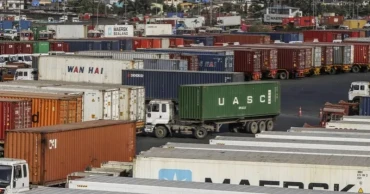
India trade pacts lift profile, challenges remain
A series of landmark trade agreements signed this year has pushed India firmly onto the global trade map, though experts warn the deals alone will not be enough to drive a sustained surge in exports.
Even before March, New Delhi has concluded major trade pacts with the European Union and the United States, moves being described by officials as historic. Despite concerns that the interim agreement with Washington is skewed in favour of the US, the deals mark India’s 10th free trade agreement (FTA) since 2014 and signal a clear shift away from years of protectionism.
Building on this momentum, India has also agreed to begin negotiations with the six-nation Gulf Cooperation Council, which accounts for about 15 percent of its global trade.
Trade experts say the direction is positive but caution that FTAs are not a cure-all. India has traditionally made limited use of such agreements, with utilisation rates hovering around 25 percent, far below the 70 to 80 percent seen in advanced economies.
Analysts point out that many Indian exporters, particularly smaller firms, struggle with complex paperwork, compliance costs and limited understanding of FTA provisions, often wiping out the benefits of lower tariffs.
Data from consultancy firms show that while India’s exports to FTA partner countries grew moderately in recent years, imports rose much faster, highlighting weaknesses in leveraging preferential market access. More recent agreements with countries such as Australia and the United Arab Emirates have shown better results, helped by improved trade infrastructure and faster dispute resolution.
Still, challenges remain significant. Exporters cite strict Rules of Origin requirements, high documentation costs, non-tariff barriers and inconsistent customs practices as major obstacles. Under the India-EU deal, exporters must self-certify product origin, shifting legal and financial risks directly onto businesses.
Beyond technical reforms, experts stress that India must address deeper competitiveness issues to match Asian peers such as Vietnam and Bangladesh. Faster logistics, predictable customs clearance, reliable infrastructure and lower transaction costs are seen as critical.
While India has made progress in high-tech manufacturing, including assembling smartphones for global brands, it continues to lag in labour-intensive sectors like textiles, footwear and furniture.
With the trade deals now signed, analysts say the real test lies in execution. Streamlining regulations, cutting logistics costs and creating a more export-friendly ecosystem will be essential if India is to attract investment, generate jobs and reach its ambitious target of $1 trillion in annual exports.
With inputs from BBC
3 days ago
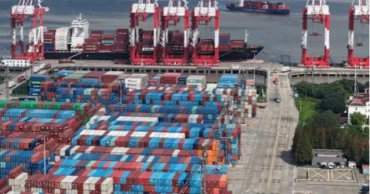
Chinese premier warns tariffs hurt global economy as trade surplus tops $1 trillion
China’s Premier Li Qiang on Tuesday warned that rising global tariffs have dealt a “severe blow” to the world economy, even as the country’s trade surplus surpassed $1 trillion.
Speaking at a forum in Beijing with top officials from the International Monetary Fund, World Bank, and World Trade Organization, Li highlighted the negative impact of restrictive trade measures since early 2025. “The damaging effects of tariffs, which harm both others and oneself, have become increasingly apparent,” he said, without naming the U.S. specifically, while emphasizing growing calls to uphold free trade.
Warner Bros fight heats up with $108 billion hostile bid from Paramount
U.S. tariffs have contributed to a 29% drop in Chinese exports to the United States in November, marking the eighth consecutive month of decline. However, China’s overall exports rose 5.9% from a year earlier, keeping the trade surplus above $1 trillion.
Li also urged “collaborative innovation” amid rising technology investments and stressed the importance of openness and cooperation. The remarks come during China’s Central Economic Work Conference, which sets the country’s economic plans and strategies for 2026–2030. China’s economy grew 4.8% in the last quarter, and economists expect it to reach the official 5% growth target for 2025, supported by strong exports.
Source: AP
2 months ago

Putin and Modi announce $100 Billion trade target by 2030
Russian President Vladimir Putin met Indian Prime Minister Narendra Modi on Friday at the 23rd Russia-India Summit, where both leaders agreed to broaden economic cooperation amid U.S. pressure on India to reconsider its longstanding ties with Moscow.
The summit comes at a critical juncture as the U.S. seeks a peace deal in Ukraine and pushes for global alignment. India faces the challenge of balancing its relations with Moscow and Washington as the war in Ukraine continues.
Modi welcomed Putin at the airport with a warm embrace and handshake. Following their talks, the leaders announced a new economic cooperation program extending to 2030, aiming to expand bilateral trade to $100 billion and strengthen energy partnerships. Last fiscal year, trade between the two countries totaled $68.7 billion, heavily favoring Russia.
Putin highlighted ongoing plans for India to establish a free trade zone with the Eurasian Economic Union, which could further boost trade. “Russia is a reliable supplier of energy and resources essential for India’s growth,” he said, reaffirming uninterrupted fuel supplies. Modi emphasized long-standing civil nuclear and energy cooperation, as well as future collaboration in clean energy, shipbuilding, fertilizers, and labor mobility.
The visit comes amid U.S. sanctions on Russian oil, with critics warning that India’s continued imports may complicate its negotiations for trade agreements with the EU and U.S. India maintains that its priority is securing energy for its 1.4 billion population, with both private and state oil companies making decisions based on market conditions.
Putin and Modi to discuss strategic ties amid US pressure
Defense and trade cooperation were also highlighted, including faster delivery of S-400 missile systems, joint manufacturing of defense components, and upgrades to Russian-made Su-30MKI jets. India plans to boost exports of pharmaceuticals, agriculture, and textiles to Russia, while seeking long-term fertilizer supplies and protection for Indian migrant workers.
Putin last visited India in 2021, while Modi met him in Moscow last year and in China in September during a Shanghai Cooperation Organization summit.
Source: AP
2 months ago

Silver Investment Profit Potentials in Bangladesh in 2025: Opportunity or Risk?
Silver has reached a record-high price in Bangladesh this month, marking one of the strongest rallies the market has seen in 2025. This surge has turned silver investment into a serious conversation among general buyers, traders and long-term wealth planners. Let’s look at how the silver price has risen in 2025 so far and whether now is the best time to invest in silver.
Silver Price Rising Trend in 2025
According to recent data released by the Bangladesh Jewellers Association (BAJUS), silver prices have witnessed a remarkable climb throughout 2025. It breaks previous records in multiple categories – 22 Karat, 21 Karat, 18 Karat, and Traditional – reflecting a year-long progression in value.
Table: Category-wise Silver Price Rates as per BAJUS in 2025
Date
Category-wise Price Rates (BDT/Vori)
22 Karat
Cadmium (Hallmarked)
21 Karat
Cadmium (Hallmarked)
18 Karat
Cadmium (Hallmarked)
Traditional
October 14, 2025
6206
5914
5074
3803
September 18, 2025
3476
3313
2847
2135
August 27, 2025
2812
2683
2298
1727
July 8, 2025
2812
2683
2298
1727
June 15, 2025
2812
2683
2298
1727
May 22, 2025
2812
2683
2298
1727
April 23, 2025
2847
2718
2333
1750
March 19, 2025
2578
2450
2112
1587
February 10, 2025
2578
2450
2112
1587
January 22, 2025
2578
2450
2112
1587
.
Read more: 5-Year Bangladesh Sanchayapatra 2025: Revised Profit Rates
Silver market rates in Bangladesh remained mostly stable during the first eight months of 2025, followed by a sharp upswing from September onwards. The 22 Karat rate held around BDT 2,578 per vori early in the year, with minor movement until April’s BDT 2,847, then steadied again through August. A sudden leap to BDT 3,476 in September and a dramatic climb to BDT 6,206 by October marked the pinnacle of this year’s market rise.
Similarly, each vori of 21-karat silver hovered between BDT 2,450 and BDT 2,718 until August, before spiking to BDT 3,313 in September and BDT 5,914 in October. The 18 Karat category stayed near BDT 2,112 through March and BDT 2,298 midyear, then rose to BDT 2,847 and finally BDT 5,074 by October. Traditional silver followed a steadier curve, moving from BDT 1,587 in early 2025 to BDT 1,750 in April, holding steady through August. Then, it jumps to BDT 2,135 in September and now to BDT 3,803.
Overall, all categories showed remarkable late-year growth, suggesting heightened demand and market adjustments influenced by global price pressures and local currency shifts.
Is Now the Right Time to Invest in Silver?
.
Global Market Influence
Silver’s recent price momentum is deeply tied to structural global demand, playing a crucial role in industrial innovation. The metal is essential for manufacturing solar panels, electric vehicles, and even components used in artificial intelligence (AI) systems. As these sectors expand, particularly the clean energy transition, the pressure on silver supply is intensifying.
Production levels haven’t caught up with the pace of industrial consumption, and major mining regions are already signalling reduced output. Therefore, the rising technological dependence and tightening supply point toward a medium-term bullish case for silver. This makes current prices, though elevated, still favourable for long-term investors seeking entry before demand outpaces availability further.
Read more: Gold Buyer's Guide: Know the types, colors, karats of the precious metal
Classic Supply-Demand Impact
The spot market has been showing signs of tightening, with refineries and traders reporting limited physical supply. This scarcity is naturally pushing prices upward. For local investors, silver’s appeal is also growing because it remains a more attainable option compared to gold. Everyday jewellery buyers and small investors have increasingly turned to silver as gold’s price continues to surge beyond affordability.
Globally, this persistent demand imbalance is fuelling a structural tailwind for prices. Even minor supply disruptions could amplify price gains, making silver a particularly attractive hedge in times of inflation or currency depreciation. In essence, the ongoing shortage is an opportunity for strategic investors.
Safe-Haven Demand
In times of economic and geopolitical instability, silver, like gold, becomes a safe-haven asset. The current investment climate, marked by currency fluctuations and uneven stock market performance, has made precious metals increasingly appealing. Yet, silver offers a distinctive advantage: it’s comparatively undervalued when assessed through the Gold-to-Silver Ratio (GSR).
GSR = Gold Price ÷ Silver Price
= BDT 2,13,720 ÷ BDT 6,206 ≈ 34.4 (For October, 2025)
A ratio above 34 indicates that gold is over thirty-four times more expensive than silver per vori. This ratio offers Bangladeshi investors greater upside potential, making silver not only a protective asset but also a tactical play for value appreciation.
Read more: Paribar Sanchayapatra 2025: Revised profit rates of Family Savings Certificate in Bangladesh
Drawback of Price Fluctuation
Volatility is a natural part of the silver market, and its recent price surge illustrates how fast momentum can shift. However, the short-term (like throughout a month) volatility is not a big fall for investors with a medium- or long-term horizon.
In other words, price swings might create anxiety for speculative traders, but for those viewing silver as a strategic allocation, they offer entry opportunities.
Good Reselling Value – Will the Rise Continue?
The continuation of silver’s upward trajectory seems increasingly plausible. Across the year, prices have shown consistent growth with no notable dips – an encouraging sign for both short- and long-term traders. The global narrative favouring precious metals remains intact: inflation concerns and rising industrial demand all reinforce bullish sentiment.
Moreover, first-time buyers have been entering the silver market at a record pace, boosting liquidity and confidence. For Bangladesh, this means silver retains strong resale potential, especially if global economic uncertainty persists. All in all, the industrial relevance, supply constraints, and investor enthusiasm suggest that silver’s rally still has meaningful distance to run.
Read more: Gold Investment in Bangladesh in 2025: Safe Haven or Risky Bet?
Verdict
The investment decision in silver in Bangladesh in 2025 stands at a defining moment. The price of 22-Karat hallmarked silver surged to BDT 6,206, while the 21-Karat price climbed to BDT 5,914. Meanwhile, 18 Karat silver reached BDT 5,074, and the Traditional category rose to BDT 3,803. This dramatic spike reflects tightening supply, soaring industrial demand, and rising safe-haven interest. Given these fundamentals, silver presents a strategic long-term opportunity. For investors seeking value beyond gold, 2025 may well be the year silver shines brightest.
4 months ago

Gold Investment in Bangladesh in 2025: Safe Haven or Risky Bet?
For generations, gold has been viewed as a reliable way to hold value. In Bangladesh, 2025 is turning into another pivotal year for this metal’s role in personal finance. With prices showing an upward trend, profit in gold investment is rising among both cautious savers and ambitious investors. Its promise is stability, though it does not come without trade-offs. Let’s evaluate whether gold is still a safe investment today.
Gold Price Rising Trend in 2025
Bangladesh's gold market witnesses frequent swings, with prices changing noticeably within short periods in 2025. Updates from the Bangladesh Jewellers Association (BAJUS) highlight a steady rise across different categories, confirming gold’s continued momentum.
Table: Recent Rise in Gold Rates in Bangladesh 2025
Date
Category-wise Price Rates (BDT/Gram)
22 Karat
21 Karat
18 Karat
Traditional
September 02, 2025
15,071
14,386
12,331
10,206
August 27, 2025
14,802
14,129
12,111
10,018
July 08, 2025
14,622
13,957
11,964
9,893
June 15, 2025
14,963
14,283
12,243
10,131
May 18, 2025
14,326
13,675
11,721
9,686
April 14, 2025
13,904
13,272
11,376
9,391
March 19, 2025
13,284
12,680
10,869
8,959
February 18, 2025
12,970
12,380
10,611
8,739
January 16, 2025
11,955
11,411
9,781
8,031
.
Read more: 5-Year Bangladesh Sanchayapatra 2025: Revised Profit Rates
The data shows a steady climb in all categories of gold throughout 2025, though not without fluctuations.
22 Karat was at its lowest, BDT 11,955, on January 16 and has risen to BDT 15,071 since September 2, the highest so far. A brief drop occurred from BDT 14,963 in mid-June to BDT 14,622 in early July before rebounding.
21 Karat moved from BDT 11,411 at the year’s start to BDT 14,386. The mid-June level of BDT 14,283 slipped to BDT 13,957 in early July before rising again.
Following the same trend, 18 Karat advanced from BDT 9,781 in mid-January to BDT 12,331 now. It too saw a decline from BDT 12,243 in June to BDT 11,964 in July.
Read more: Shopping in Dubai: What to Buy, Where to Buy from
Similarly, traditional gold increased from BDT 8,031 to BDT 10,206 till now. A similar mid-year dip took it from BDT 10,131 down to BDT 9,893 before recovery.
Overall, all categories reflect a clear upward trajectory from the beginning of the year, with the current month marking the peak. The June-July drop stands out as the single significant short-term dip.
5 months ago

China’s economy slows in July amid tariff uncertainty, property slump
China’s economy lost momentum in July as industrial output, retail sales and housing prices all weakened, according to official data released Friday.
Uncertainty over U.S. tariffs continues to weigh on the world’s second-largest economy, even after President Donald Trump extended a 90-day pause on planned duty hikes starting Monday — following an earlier three-month suspension in May.
Exports rose 7.2% year-on-year in July and imports grew at the fastest pace in a year, driven partly by businesses rushing to ship goods during the tariff truce. However, the gains came from a low base, and manufacturers have scaled back investment, hiring and output while diverting shipments to Southeast Asia, Africa and other markets to offset U.S. losses.
Asian shares mixed as hopes for US rate cuts wane; Bitcoin hits record
Industrial output growth slowed to 5.7% in July from 6.8% in June, while fixed-asset investment rose just 1.6% in January-July. Property investment plunged 12% in the first seven months, with residential investment down nearly 11%. New home prices in major cities dropped 1.1%, extending a prolonged slump that began with the COVID-19 pandemic and led to widespread developer defaults.
The housing crisis has curbed consumer spending, with retail sales growth slowing to 3.7% in July from 4.8% in June. Unemployment edged up to 5.2%, while wholesale prices fell 3.6% year-on-year despite a 0.4% monthly rise in consumer prices.
Source: Agency
6 months ago
July-December 2025 Interest Rates of Pensioner Sanchayapatra under Bangladesh's National Savings Scheme
Across its full suite of savings instruments, sweeping modifications have been rolled out under Bangladesh's National Savings Scheme. One key alteration pertains to the Pensioner Sanchayapatra, which now follows a redefined approach to distributing annual gains. From July 2025, the scheme will operate under a revised model, defining yearly profit margins based on investment volume. Both full-term and premature encashment returns are now clearly stipulated. Let’s delve into the refreshed July-December 2025 interest rate structure of the pensioner savings arrangement.
Pensioner Savings Certificates’ Profit Framework for July to December 2025
All existing and new investments, across every category of savings certificate, will be aggregated to determine the applicable rate. The new segmentation, reflecting the framework, is outlined below:
i) BDT 7,50,000 or less
ii) More than BDT 7,50,000
Read more: July 2025 Interest Rates of Paribar Sanchayapatra under Bangladesh's National Saving Scheme
Presented below is the latest rate chart, indicating yearly returns based on investment tier and withdrawal status:
Table: Yearly Profit Breakdown by Investment Level – Pensioner Sanchayapatra for July-December 2025
Investment Period (Year)
Investments
Up to BDT 7,50,000
Investments
More than BDT 7,50,000
(BDT 7,50,001 and Above)
Profit Rate (%)
1st
9.84
9.72
2nd
10.32
10.19
3rd
10.84
10.70
4th
11.39
11.23
5th / At Maturity
11.98
11.80
.
Investors selecting the Pensioner Sanchayapatra with a maximum principal of BDT 7.5 lakh (7,50,000 or below) are entitled to the highest annual return upon full maturity. The corresponding annual rate of return is 11.98 percent (11.98%). For investments exceeding BDT 7.5 lakh (7,50,001 and above), the maximum annual return is slightly reduced to 11.80 percent (11.80%).
If the investment is encashed before maturity, the return will be based on the rate structure given in the table. For amounts within the BDT 7.5 lakh limit, the first-year return is 9.84 percent. The second, third, and fourth years offer returns of 10.32 percent, 10.84 percent, and 11.39 percent, respectively.
For sums exceeding BDT 7.5 lakh, premature encashment yields 9.72 percent in the first year. The applicable rates for the second, third, and fourth years are 10.19 percent, 10.70 percent, and 11.23 percent, respectively.
Read more: July 2025 Interest Rates of 5-year Bangladesh Sanchayapatra under National Savings Scheme
Who Benefits from the July-December 2025 Interest Rates on Pensioner Savings Certificates?
The updated profit rates apply exclusively to Pensioner Sanchayapatra accounts initiated on or after July 1, 2025.
A formal review of the revised rates is set to occur six months following implementation. However, the return rate secured at the time of issuance will remain unchanged throughout the duration of the investment. Therefore, the rate assigned upon purchase is fixed for the entire term.
In a Nutshell
Modifications to the National Savings Scheme have been implemented for the July–December 2025 period. According to the updated framework, the highest annual return for the Pensioner Sanchayapatra is 11.98 percent at maturity for investments up to BDT 7,50,000. For contributions exceeding BDT 7,50,000, the peak return is revised to 11.80 percent annually. This rate structure applies solely to certificates opened on or after July 1, 2025.
Read more: July 2025 Interest Rates of 3-Monthly Profit-Bearing Sanchayapatra under Bangladesh's National Saving Scheme
7 months ago
July 2025 Interest Rates of 5-year Bangladesh Sanchayapatra under National Savings Scheme
The National Savings Scheme has introduced important revisions across all categories of savings certificates. Among them, the 5-year Bangladesh Sanchayapatra has undergone a key update regarding its profit allocation framework. Effective from July 2025, the revised structure outlines annual return rates. These rates are set both at maturity and for early encashment, based on the scale of investment. Let’s delve into the revised July-December 2025 profit structure of the 5-year savings scheme.
5-year Bangladesh Sanchayapatra's Interest Rates & Profits for July to December 2025
In assessing the applicable return rate, total accumulated investments across all savings instruments, including past contributions, will be included. The latest investment thresholds are detailed as follows:
i) Up to BDT 7,50,000
ii) Above BDT 7,50,000
The table below outlines the updated annual profit rates for the 5-year scheme, reflecting both maturity and early withdrawal scenarios:
Read more: July 2025 Interest Rates of 3-Monthly Profit-Bearing Sanchayapatra under Bangladesh's National Saving Scheme
Table: Annual Return Rates by Investment Tier – 5-year Bangladesh Sanchayapatra for July-December 2025 Period
Investment Period (Year)
Investments
Up to BDT 7,50,000
Investments
More than BDT 7,50,000
(BDT 7,50,001 and Above)
Profit Rate (%)
1st
9.74
9.72
2nd
10.21
10.19
3rd
10.72
10.70
4th
11.26
11.23
5th / At Maturity
11.83
11.80
.
Individuals opting for the 5-year Bangladesh Sanchayapatra with an investment of BDT 7.5 lakh (7,50,000 or below) will receive the highest annual return at full term. This translates to an annual yield of 11.83 percent (11.83%). For amounts over BDT 7.5 lakh (7,50,001 and above), the peak yearly return is slightly lower at 11.80 percent.
Should encashment occur before maturity, the applicable profit will align with the specified breakdown. For holdings within the BDT 7.5 lakh threshold, the rate stands at 9.74 percent in the initial year. Returns in the second, third, and fourth years are 10.21 percent, 10.72 percent, and 11.26 percent, respectively.
Where the principal crosses BDT 7.5 lakh, early withdrawal will yield 9.72 percent in the first year. The second year offers 10.19 percent, followed by 10.70 percent and 11.23 percent in the third and fourth years, respectively.
Read more: July 2025 Interest Rates of Paribar Sanchayapatra under Bangladesh's National Saving Scheme
Who Can Access July-December 2025 Interests of 5-Year Bangladesh Sanchayapatra?
The revised interest structure applies solely to 5-year Bangladesh Sanchayapatra accounts opened on or after July 1, 2025.
A formal reassessment of the rates is scheduled six months after this policy takes effect. Nevertheless, the earnings rate confirmed at the time of purchase will remain fixed throughout the investment's lifespan. In essence, the initially assigned return is locked in for the full term.
Piling Up
Enhancements to Bangladesh's National Savings Scheme have been introduced for the July–December 2025 cycle. Under the revised structure, the peak annual yield for the 5-year Bangladesh Sanchayapatra reaches 11.83 per cent at maturity for deposits up to BDT 7,50,000. For amounts above BDT 7,50,000, the maximum annual return slightly adjusts to 11.80 per cent. This structure exclusively governs certificates issued from July 1, 2025, onwards.
Read more: 6 Popular Bangladeshi Banks Offering Personal Loans for Marriage, Education, Travel, Medical and Other Purposes
7 months ago

July 2025 Interest Rates of 3-Monthly Profit-Bearing Sanchayapatra under Bangladesh's National Saving Scheme
The National Savings Scheme in Bangladesh has brought notable updates to all savings certificates. The 3-Monthly Profit-Bearing Sanchayapatra is among those receiving renewed attention. These revisions, effective from July 2025, apply to the profit distribution. The scheme sets quarterly profit rates for maturity and early encashment based on the amount invested. Let’s explore the newly structured July-December 2025 returns under the quarterly interest-bearing savings option.
3-month Profit-bearing Savings Certificates’ Return Framework for July to December 2025
When considering total holdings across all schemes, including prior investments, the applicable return rate will be determined according to the following investment brackets:
i) BDT 7,50,000 or less
ii) Exceeding BDT 7,50,000
The following table presents the profit structure for this three-year scheme, detailing returns upon maturity and early encashment.
Table: Annual Profit Rates by Investment Tier in the 3-Month Interest-Bearing Scheme
Investment Period (Year)
Investments
(Up to BDT 7,50,000)
Investments
(More than BDT 7,50,000
or BDT 7,50,001 and Above)
Profit Rate (%)
1st
10.65
10.60
2nd
11.22
11.16
3rd / At Maturity
11.82
11.77
.
Those purchasing the 3-Month Profit-Bearing Sanchayapatra with amounts up to BDT 7.5 lakh (7,50,000 or below) will receive a maximum quarterly profit at maturity. This corresponds to an annual rate of 11.82 percent (11.82%). For investments exceeding BDT 7.5 lakh (7,50,001 and above), the maximum annual rate is slightly reduced to 11.77 percent.
In cases of early encashment, profit will be calculated according to the rates indicated in the table. Balances up to BDT 7.5 lakh (7,50,000 or less) attract an annual interest rate of 10.65 percent at the end of the first year. The rate rises to 11.22 percent by the second year.
Amounts above BDT 7.5 lakh (7,50,001 or more) earn 10.60 percent annually if encashed in the first year. The return rate increases to 11.16 percent in the second year.
Read more: July 2025 Interest Rates of Paribar Sanchayapatra under Bangladesh's National Saving Scheme
Who Qualifies for July-December 2025 Interest Rates on 3-Monthly Sanchayapatra?
The updated interest rates are effective exclusively for 3-monthly profit-bearing savings certificates purchased on or after July 1, 2025.
Return rates will undergo review six months following the implementation of this directive. However, Investors will continue to earn the rate prevailing at the time of their investment for the full duration. Put simply, the original rate at issuance remains unchanged for the entire investment term.
Wrapping Up
The National Saving Scheme in Bangladesh has been upgraded for the July to December 2025 period. The highest annual rate offered on the 3-month profit-bearing Sanchayapatra is 11.82 percent at maturity for investments up to BDT 7,50,000. When the investment amount surpasses BDT 7,50,000, the profit rate adjusts slightly to 11.77 percent. This updated rate framework applies only to 3-month Profit-bearing Savings Certificates acquired on or after July 1, 2025.
Read more: 6 Popular Bangladeshi Banks Offering Personal Loans for Marriage, Education, Travel, Medical and Other Purposes
7 months ago

July 2025 Interest Rates of Paribar Sanchayapatra under Bangladesh's National Saving Scheme
Six months after introducing a bold framework, the Bangladesh government have once again made significant changes to all national savings schemes. The revisions cover various schemes, including the well-known Paribar Sanchayapatra. These changes focus only on return rates against different investments. Let’s explore the newly announced profit rates of the Family Savings Certificate.
Paribar Sanchayapatra (Family Savings Certificates’) Yield Structure from July 2025
In the case of any existing holdings across all schemes, along with previous investments, the return rate will apply based on the following investment limits:
i) BDT 7,50,000 or belowii) Above BDT 7,50,000
The profit breakdown for this five-year savings scheme is detailed in the following table:
Table: Revised Interest Rates of Paribar Sanchayapatra Applicable from 1st July, 2025
Year
Investments
Up to BDT 7,50,000
Investments
More than BDT 7,50,000
( BDT 7,50,001 and Above)
Profit Rate (%)
1st
9.81
9.72
2nd
10.29
10.19
3rd
10.80
10.70
4th
11.35
11.23
5th / At Maturity
11.93
11.80
For Paribar Sanchayapatra investments up to BDT 7.5 lakh (7,50,000 or below), the highest monthly return will follow an annual rate of 11.93 percent (11.93%). For amounts exceeding BDT 7.5 lakh (7,50,001 and above), the top rate slightly drops to 11.80 percent.
For early encashment, profit will be paid at the annual rates shown in the table above. Within the BDT 7.5 lakh ceiling, returns will be 9.81 percent in the first year. The second, third, and fourth years will offer 10.29 percent, 10.80 percent, and 11.35 percent, respectively.
For investments above BDT 7.5 lakh, early encashment yields 9.72 percent in the first year. In the second, it will be 10.19 percent. The third and fourth years bring returns of 10.70 percent and 11.23 percent, respectively.
Read more: 6 Popular Bangladeshi Banks Offering Personal Loans for Marriage, Education, Travel, Medical and Other Purposes
Who Can Avail the July 2025 Return Rates of Paribar Sanchayapatra?
The revised profit rates apply exclusively to purchases made on or after July 1, 2025. Investments prior to this date will remain under the previous terms.
The profit rate will be revised six months after this order takes effect. However, investors will receive the rate applicable at the time of purchase for the entire tenure. In other words, the initially issued rate will remain unchanged throughout the investment period.
Summing Up
The maximum annual rate, featured in Paribar Sanchayapatra, for investments up to BDT 7,50,000 is 11.93%. For amounts above BDT 7,50,000, the highest rate stands at 11.80%. Only those who purchase Family Savings Certificates on or after July 1, 2025, will fall under this revised rate structure.
Read more: Sanchayapatra at Maturity: Encashment or Renewal of Bangladesh’s National Savings Certificate
7 months ago