USA
Global experts welcome US tariff ruling, warn risks remain
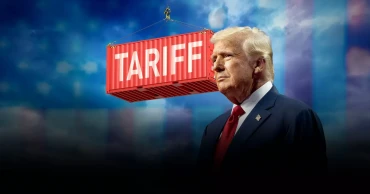
The U.S. Supreme Court has struck down a major portion of tariffs imposed by President Donald Trump, triggering positive reactions from analysts, economists and international media, while leaving questions over the future course of US trade policy.
In a 6–3 ruling, the court said the executive branch overstepped its legal authority under the International Emergency Economic Powers Act. The judges found that the law does not allow the president to impose sweeping, across-the-board tariffs without clear approval from Congress.
Political analyst Sandile Swana of South Africa said the decision reaffirmed that taxation powers belong to Congress, not the executive. He added that the tariffs mainly hurt US businesses and consumers rather than foreign exporters.
Croatian economist Ljubo Jurcic described the ruling as a serious blow to what he called a misguided economic approach. He said the tariff policy damaged the US economy and warned that companies affected could now seek refunds worth billions of dollars. Jurcic also argued that unilateral trade measures failed to deliver real benefits while increasing costs for Americans.
European markets reacted positively. France’s leading business daily Les Echos reported a rally across regional markets, noting that the CAC 40 briefly crossed the 8,500-point mark for the first time. Greece’s financial outlet OT also cited gains, driven by investor hopes of easing trade tensions.
Portuguese analyst Rui Cardoso called the verdict a “complete defeat” for Trump, saying countries that had accepted what he described as unfair trade deals with Washington might now push for renegotiation. He also criticised the European Union for taking an overly soft position, arguing recent developments showed it had conceded more than necessary.
Trump imposes new 10% tariff after court blocks global import taxes
In Africa, economists said the ruling could bring limited relief to exporters, though the impact would differ by sector and country. Andre Thomashausen, professor emeritus of international law at the University of South Africa, said the decision could open the door for refund claims and help restore fairer competition. South African economist Chris Harmse said industries such as automobiles and agriculture could benefit if tariff barriers are lifted.
Rwandan economist Teddy Kaberuka said the tariffs had unsettled the global economy by fuelling a trade war and straining relations with key partners, also weighing on financial markets. He warned that continued uncertainty could slow growth, especially in Africa, where economies remain highly vulnerable.
Analysts cautioned that risks have not disappeared. Edward Fishman, a former US State Department and Treasury official, said the ruling may limit the use of tariffs as a quick geoeconomic weapon, though they could still be applied through other legal mechanisms during trade talks.
Observers agree that while the court has curbed the recent tariff drive, the long-term direction of US trade policy remains uncertain, keeping global markets and trading partners on edge.
43 minutes ago
Trump lashes out at Supreme Court over tariff ruling, targets his own appointees
President Donald Trump reacted angrily Friday after the Supreme Court struck down his signature global tariffs, a move that included dissent from two of the three justices he appointed.
Trump, who has long expected personal loyalty from his appointees, criticized the court sharply, saying he was “ashamed” of the justices who opposed him and questioning their courage. Speaking in the White House briefing room, he singled out Justices Neil Gorsuch and Amy Coney Barrett, calling their votes “an embarrassment to their families.”
Vice President JD Vance also condemned the ruling on X, describing it as “lawlessness from the Court,” though he avoided personal attacks. Legal challenges to the tariffs had come from groups across the political spectrum, including the libertarian Liberty Justice Center and business-friendly organizations like the Chamber of Commerce.
The decision highlights the ongoing tension between Trump’s aggressive use of presidential powers—covering trade, immigration, and other policy areas—and the Supreme Court’s role as a check on executive authority.
Trump’s fraught relationship with the court is not new. During his first term, he won a major ruling protecting him from prosecution over efforts to overturn the 2020 election and secured repeated emergency appeals to enforce parts of his immigration agenda. But the court has also rebuked him publicly, particularly Chief Justice John Roberts, though Trump did not name him in Friday’s remarks.
Presidential criticism of Supreme Court decisions has historical precedent. Thomas Jefferson opposed the landmark Marbury v. Madison ruling, Franklin Roosevelt tried and failed to expand the court over New Deal frustrations, and Barack Obama openly criticized the Citizens United decision in 2010.
Experts note, however, that Trump’s personal attacks on justices—especially those he appointed—cross a line. “It’s fine to criticize a ruling, but demagogic to claim justices lack courage,” said Ed Whelan, former law clerk to Justice Antonin Scalia.
Past presidents have privately regretted appointing certain justices, including Dwight D. Eisenhower after Brown v. Board of Education, but none aired such criticisms publicly during live broadcasts.
Trump and members of the court are expected to be in the same room Tuesday for his State of the Union address, a setting likely to be tense given the recent clash.
4 hours ago
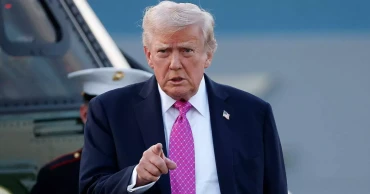
Trump imposes new 10% tariff after court blocks global import taxes
US President Donald Trump has announced a new 10% global tariff, hours after the US Supreme Court struck down most of his previous import taxes, ruling that he exceeded his constitutional authority.
Trump strongly criticised the court’s decision, calling it “terrible” and attacking the justices who opposed his trade policy. He unveiled the new tariff plan at the White House shortly after the court, in a 6–3 ruling, blocked the global duties imposed last year.
The verdict marked a major win for US states and businesses that challenged the tariffs, potentially opening the door to billions of dollars in refunds. It also created fresh uncertainty for global trade. Trump, however, warned that any refunds would likely be delayed by lengthy legal battles and said the issue could remain in court for years.
The president said his administration would use alternative legal authorities to continue imposing tariffs, arguing that such measures boost domestic investment and manufacturing.
The legal dispute centred on sweeping import taxes announced last year on goods from nearly every country. The tariffs initially targeted Mexico, Canada and China before expanding to dozens of trading partners during what Trump called “Liberation Day” last April.
The White House relied on the International Emergency Economic Powers Act of 1977 to justify the move, saying it allowed the president to regulate trade during a national emergency. Critics argued the law does not authorise tariffs and accused the administration of bypassing Congress’s taxing powers.
In the majority opinion, Chief Justice John Roberts said Congress had only delegated tariff authority in clear and limited terms, adding that it would have explicitly granted such power if intended.
The ruling was supported by the court’s three liberal justices and two Trump-appointed conservatives, Amy Coney Barrett and Neil Gorsuch. Three other conservative justices dissented.
US Supreme Court strikes down Trump’s global tariffs
Trump later expressed anger at the Republican-appointed justices who ruled against him, accusing them of disloyalty. Financial markets reacted positively, with Wall Street stocks rising as businesses welcomed the decision.
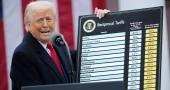
Despite the ruling, Trump on Friday signed a proclamation imposing a new 10% tariff under Section 122, a rarely used law that allows temporary tariffs of up to 15% for 150 days, after which congressional approval is required. The new tariff will take effect on 24 February.
The order includes broad exemptions covering some minerals, natural resources, fertilisers, agricultural products, pharmaceuticals, electronics and certain vehicles. Canada and Mexico will remain largely exempt under the USMCA trade agreement.
Countries that previously signed trade deals with the US, including the UK, India and the European Union, will now face the flat 10 percent tariff, according to a White House official, who said those nations are still expected to honour earlier concessions.
Trade analysts said the decision has further complicated the global trade environment. International reaction remained cautious, with the European Commission saying it was studying the ruling carefully.
#From BBC
5 hours ago
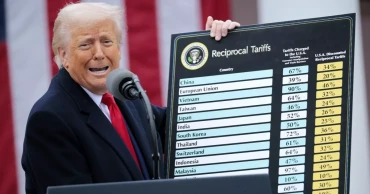
US Supreme Court strikes down Trump’s global tariffs
The U.S. Supreme Court on Friday struck down President Donald Trump’s sweeping global tariffs, delivering a significant setback to a central pillar of his economic agenda.
In a 6-3 ruling, the court said Trump’s use of an emergency powers law to impose wide-ranging import duties, including so-called “reciprocal” tariffs on nearly all countries, was unconstitutional because the authority to levy taxes rests with Congress, not the president. Chief Justice John Roberts wrote that the framers did not assign any part of the taxing power to the executive branch.
Justices Samuel Alito, Clarence Thomas and Brett Kavanaugh dissented, arguing the tariffs were legally permissible, though their policy merits could be debated.
Reacting to the decision, Trump called it “deeply disappointing” and criticised the justices who voted against the tariffs. The ruling marks the first major element of his broad economic agenda to be squarely rejected by the high court.
The court did not clarify whether businesses that paid billions of dollars in tariffs would receive refunds, noting the process could be complicated. Federal data show the Treasury collected over $133 billion from the import taxes by December, with long-term impacts projected to reach trillions.
However, the decision does not prevent the administration from pursuing tariffs under other statutory authorities, though those come with stricter limits.
Legal challengers, including small businesses and several states, hailed the verdict as a reaffirmation that Congress, not the president, controls taxation. Trade partners also sought clarity on Washington’s next steps following the ruling.
16 hours ago

Six women among experienced skiers killed in deadly California avalanche
Six women who died in the deadliest avalanche in the United States in decades were part of a tight-knit group of close friends and seasoned backcountry skiers, their families said on Thursday.
The women were among eight friends on a guided ski trip in the rugged Sierra Nevada mountains. Two members of the group survived the avalanche and were rescued along with four others, including one guide. Three guides are among those dead or presumed dead.
In a statement released through a spokesperson, the families said they were overwhelmed by grief and focused on supporting their children while honoring the lives of the women, all of whom shared a deep love for the outdoors.
The victims were identified as Carrie Atkin, Liz Clabaugh, Danielle Keatley, Kate Morse, Caroline Sekar and Kate Vitt. They lived in the Bay Area, Idaho and near Lake Tahoe. The families requested privacy and said many questions remain unanswered.
According to the statement, the trip had been carefully planned in advance, and the women were equipped with proper avalanche safety gear. The families said the group was highly experienced, well trained and respectful of mountain conditions, and that they relied on professional guides during the trip.
Authorities are now examining what the guides and the tour company knew about avalanche warnings and the risks posed by a powerful winter storm that hit the region during the outing.
Trump warns of ‘bad things’ if Iran fails to reach deal as US carrier moves closer
Recovery efforts remain on hold due to dangerous conditions, said Ashley Quadros, a spokesperson for the Nevada County Sheriff’s Office. Crews are unable to safely reach the site, and the search for a ninth person continues.
The Sierra Avalanche Center warned that additional snowfall and strong winds could further destabilize the snowpack around Lake Tahoe. Wind gusts along ridgetops may reach up to 60 miles per hour, with a high risk of large avalanches expected through at least Friday morning.
Public access to parts of Tahoe National Forest, including the Castle Peak area, has been closed until March 15 as conditions remain hazardous.
The names of the other victims have not yet been released.
1 day ago

Lawsuits challenge renewed push for oil drilling in Alaska reserve, march lease sale
Conservation groups and an Iñupiat organization on Tuesday filed lawsuits challenging the Trump administration’s renewed push to expand oil and gas drilling in the National Petroleum Reserve-Alaska and an upcoming lease sale, saying the plan wrongly opens up ecologically sensitive lands that have long been protected.
At least two lawsuits contesting the March 18 lease sale were lodged. One case, filed in federal court in Alaska, was brought by Earthjustice on behalf of the Center for Biological Diversity and Friends of the Earth. Another was filed in federal court in Washington, D.C., by The Wilderness Society and Grandmothers Growing Goodness, which aims to highlight the effects of oil and gas development on Iñupiat communities.
The proposed sale would be the first in the reserve since 2019 and the first under a law passed by Congress last year that calls for at least five lease sales over 10 years. The reserve spans a vast area on Alaska’s North Slope, about the size of Indiana, and is home to wildlife such as caribou, bears, wolves and millions of migratory birds.
The lawsuits name the U.S. Department of Interior, the Bureau of Land Management and senior officials as defendants. The Earthjustice case also includes the U.S. Fish and Wildlife Service. An email seeking comment was sent Tuesday to an Interior Department spokesperson.
The dispute reflects a long-running debate over how much of the reserve should be open to development. A Trump-era plan would allow leasing on roughly 80% of the reserve. Supporters say the area was set aside for energy production, while critics argue the law requires balancing drilling with protection of sensitive habitats. Views among Alaska Native groups are also divided, with some backing development and others warning it could harm local communities.
The lawsuits say next month’s sale includes land near Teshekpuk Lake and the Colville River, previously recognized for their wildlife and subsistence importance. They claim notices for the sale give no clear reason for including these tracts and fail to acknowledge earlier findings that the areas should remain off-limits.
The Earthjustice complaint says a management plan behind the sale “unlawfully removes lands from the Teshekpuk Lake Special Area and eliminates the Colville River Special Area.” It adds, “Congress has not authorized the Secretary to remove lands from or eliminate special areas, especially where those lands still contain the significant resource values that supported their designation.”
The suits ask courts to cancel any leases issued in the sale and block future sales based on what plaintiffs call flawed environmental reviews and planning decisions.
3 days ago
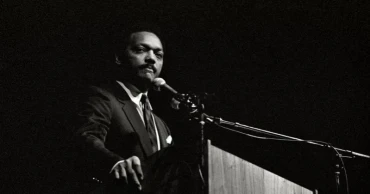
US civil rights leader Jesse Jackson dies at 84
Prominent US civil rights leader Jesse Jackson has died at the age of 84, his family said on Tuesday.
In a statement, the family said Jackson, founder of the Rainbow PUSH Coalition, died peacefully surrounded by relatives. The cause of death was not disclosed. Jackson had been suffering from progressive supranuclear palsy, a rare degenerative neurological condition.
Tributes poured in for the veteran activist, who played a key role in the US civil rights movement and ran twice for the Democratic presidential nomination in the 1980s.
Former US President Barack Obama described Jackson as a giant of American history, saying his presidential campaigns helped pave the way for future generations of leaders. Obama said Jackson spent decades fighting for justice, dignity and equality in the United States and beyond.
Jackson is survived by his wife Jacqueline and their children, including Jesse Jackson Jr, a former US congressman.
Born in 1941 in South Carolina, Jackson rose to national prominence in the 1960s as a close associate of Martin Luther King Jr. and was present when King was assassinated in Memphis in 1968. He later became a leading voice for poor and working-class Americans, advocating racial justice, voting rights and economic equality.
US President Donald Trump said Jackson was a man of strong personality who truly cared about people. Former President Bill Clinton and his wife Hillary Clinton said Jackson devoted his life to expanding opportunity and human dignity.
Civil rights leader Al Sharpton said Jackson was a transformative figure who inspired generations to believe in justice and equality.
Jackson’s family said his lifelong commitment to civil rights and social justice helped shape movements across the world and left a lasting mark on history.
With inputs from BBC
3 days ago
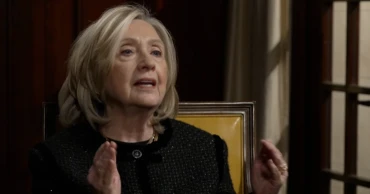
Hillary Clinton alleges Epstein files cover-up by Trump administration
Former US secretary of state Hillary Clinton has accused the administration of President Donald Trump of deliberately delaying the release of files linked to disgraced financier Jeffrey Epstein, alleging a “cover-up” in their handling.
Speaking to the BBC in Berlin on the sidelines of the annual World Forum, Clinton said the documents should be made fully public without delay. “Get the files out. They are slow-walking it,” she said, arguing that transparency is essential and that everyone should be treated equally.
The White House rejected the accusation, saying the administration has released thousands of pages of material and has done “more for the victims than Democrats ever have,” while also cooperating with congressional requests.
Asked whether Andrew Mountbatten-Windsor should testify before a US congressional committee, Clinton said anyone asked to testify should do so. She stressed that appearing in the files does not imply wrongdoing, noting that Andrew has consistently denied any misconduct.
Millions of documents related to Epstein were made public earlier this month after Congress passed legislation requiring the US Department of Justice to release investigation materials. While the Justice Department says it has met the legal requirements of the Epstein Files Transparency Act, several lawmakers argue the disclosures remain incomplete and have called for the release of internal decision-making memos.
Epstein died in a New York jail in August 2019 while awaiting trial on sex trafficking charges, more than a decade after a previous conviction involving a minor. His death came as scrutiny over his network of powerful associates intensified.
Prince Andrew has faced renewed pressure from US officials and from the family of his accuser, Virginia Giuffre, to testify about his links to Epstein. He has denied wrongdoing and settled a civil case in 2022 without admitting liability. Giuffre died in 2025.
Both Clintons are due to testify before the House Oversight Committee later this month, with Bill Clinton scheduled to appear a day after Hillary Clinton. A planned contempt vote against the couple was dropped after they agreed to testify, marking the first time since 1983 that a former US president will appear before a congressional panel.
Bill Clinton, who is mentioned multiple times in the Epstein files, has said he cut off contact with Epstein years ago. Neither of the Clintons has been accused of wrongdoing by Epstein’s victims, and both have denied knowing about his criminal activities at the time.
Hillary Clinton said she and her husband have called for the hearings to be held publicly. “We have nothing to hide,” she said, adding that she believes the focus on the Clintons is being used to divert attention from Trump, who is also mentioned frequently in the files but has denied any wrongdoing.
Clinton said she had met Epstein’s associate Ghislaine Maxwell on a few occasions, while reiterating her call for full disclosure of all relevant documents, saying public scrutiny remains the best safeguard.
With inputs from BBC
4 days ago
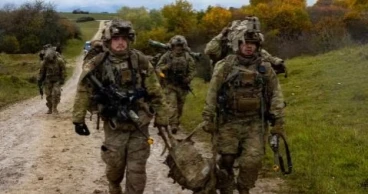
US troops arrive in Nigeria to help train its military
About 100 US troops, along with military equipment, have arrived in Nigeria to support training of the country’s armed forces, the Nigerian military said on Monday.
In a statement, the military said the deployment came after the Nigerian government formally requested assistance from the United States for training, technical support and intelligence sharing.
The move comes after a recent easing of tensions between the two countries, which had escalated when US President Donald Trump threatened action against Nigeria over claims that the government was failing to protect Christian communities.
4 days ago
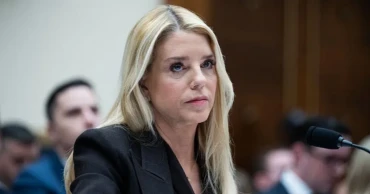
US lawmakers say Epstein file release falls short
The US Department of Justice has come under criticism from lawmakers after Attorney General Pam Bondi said all files required under the Epstein Files Transparency Act had been released.
In a letter sent to members of Congress on Saturday, Bondi and her deputy Todd Blanche said the department had disclosed all records in its possession related to disgraced financier and convicted sex offender Jeffrey Epstein, along with a list of names appearing in the documents.
However, Republican Representative Thomas Massie, a co-author of the law, argued that the release was incomplete. He urged the justice department to make public internal memos, notes and emails explaining past decisions on whether to investigate or prosecute Epstein and his associates.
Millions of files linked to Epstein were released earlier this month. In their letter, Bondi and Blanche said no documents were withheld due to embarrassment, reputational harm or political sensitivity, and that the disclosure met all legal requirements.
They noted that the names listed appeared in a wide range of contexts, from extensive direct communications with Epstein or his associate Ghislaine Maxwell to mere references in documents or media reports. Officials stressed that inclusion in the files does not imply wrongdoing.
The list includes prominent figures such as Donald Trump, Bill Clinton, Bill Gates and Britain’s Prince Andrew, all of whom have previously acknowledged past contact with Epstein and have denied any involvement in his crimes. The names of long-deceased musicians Janis Joplin and Elvis Presley also appear, drawing further criticism.
Democratic Representative Ro Khanna, who also co-wrote the law, accused the justice department of blurring the distinction between alleged perpetrators and individuals mentioned incidentally. He called the inclusion of unrelated or historically implausible names “absurd” and demanded the full release of files, with only victims’ identities redacted.
In media interviews, Massie said the justice department was wrongly invoking deliberative process privilege to avoid releasing key internal documents, contrary to the intent of the law.
The Department of Justice has yet to publicly respond to the latest criticism. Lawmakers and victims’ lawyers have previously accused the department of improper redactions and errors in earlier file releases, some of which were later withdrawn after complaints.
The handling of the Epstein files continues to fuel bipartisan pressure on the justice department over transparency and accountability.
With inputs from BBC
5 days ago