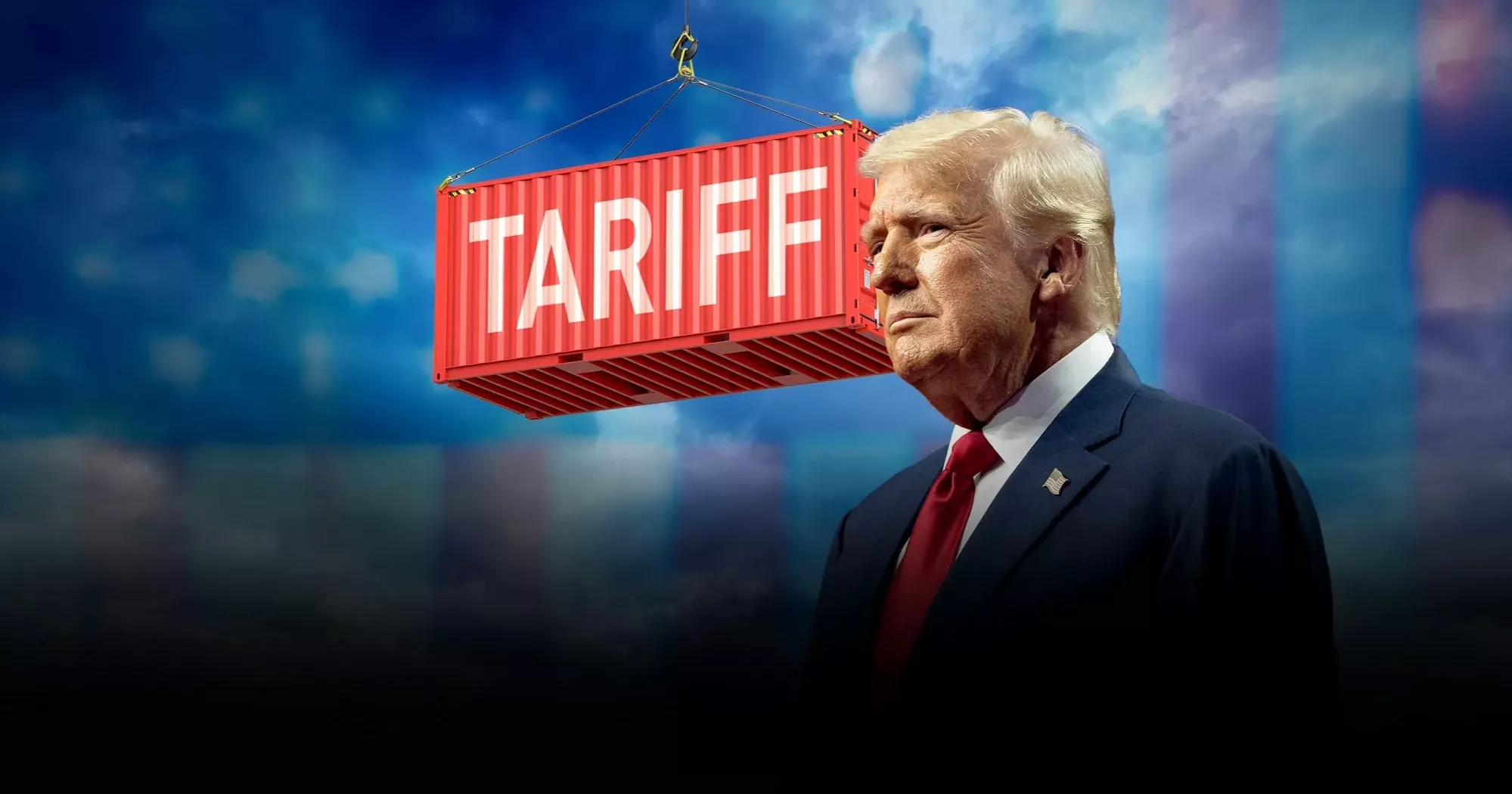
The U.S. Supreme Court has struck down a major portion of tariffs imposed by President Donald Trump, triggering positive reactions from analysts, economists and international media, while leaving questions over the future course of US trade policy.
In a 6–3 ruling, the court said the executive branch overstepped its legal authority under the International Emergency Economic Powers Act. The judges found that the law does not allow the president to impose sweeping, across-the-board tariffs without clear approval from Congress.
Political analyst Sandile Swana of South Africa said the decision reaffirmed that taxation powers belong to Congress, not the executive. He added that the tariffs mainly hurt US businesses and consumers rather than foreign exporters.
Croatian economist Ljubo Jurcic described the ruling as a serious blow to what he called a misguided economic approach. He said the tariff policy damaged the US economy and warned that companies affected could now seek refunds worth billions of dollars. Jurcic also argued that unilateral trade measures failed to deliver real benefits while increasing costs for Americans.
European markets reacted positively. France’s leading business daily Les Echos reported a rally across regional markets, noting that the CAC 40 briefly crossed the 8,500-point mark for the first time. Greece’s financial outlet OT also cited gains, driven by investor hopes of easing trade tensions.
Portuguese analyst Rui Cardoso called the verdict a “complete defeat” for Trump, saying countries that had accepted what he described as unfair trade deals with Washington might now push for renegotiation. He also criticised the European Union for taking an overly soft position, arguing recent developments showed it had conceded more than necessary.
Trump imposes new 10% tariff after court blocks global import taxes
In Africa, economists said the ruling could bring limited relief to exporters, though the impact would differ by sector and country. Andre Thomashausen, professor emeritus of international law at the University of South Africa, said the decision could open the door for refund claims and help restore fairer competition. South African economist Chris Harmse said industries such as automobiles and agriculture could benefit if tariff barriers are lifted.
Rwandan economist Teddy Kaberuka said the tariffs had unsettled the global economy by fuelling a trade war and straining relations with key partners, also weighing on financial markets. He warned that continued uncertainty could slow growth, especially in Africa, where economies remain highly vulnerable.
Analysts cautioned that risks have not disappeared. Edward Fishman, a former US State Department and Treasury official, said the ruling may limit the use of tariffs as a quick geoeconomic weapon, though they could still be applied through other legal mechanisms during trade talks.
Observers agree that while the court has curbed the recent tariff drive, the long-term direction of US trade policy remains uncertain, keeping global markets and trading partners on edge.