Dhaka

Dhaka, Kathmandu reaffirm commitment to work closely to advance shared interests
Visiting Nepalese Minister for Foreign Affairs Bala Nanda Sharma on Wednesday met Foreign Minister Dr Khalilur Rahman and both Ministers reaffirmed their commitment to work closely across bilateral, regional, and multilateral platforms, advancing the shared interests of the two countries and peoples.
The Nepalese Foreign Minister congratulated his Bangladesh counterpart on his appointment as the Foreign Minister of the government of Bangladesh.
Minister of State for Foreign Affairs of Bangladesh Shama Obaed Islam, Foreign Secretary Asad Alam Siam, and Director General Israt Jahan were also present in the meeting.
Foreign Minister Sharma was accompanied by Ambassador Ghanshyam Bhandari, Joint Secretary Gahendra Rajbhandari, Deputy Chief of Mission Lalita Silwal, and Under Secretary Madhusudan Bhattarai.
Special prayer for Khaleda Zia held at Kathmandu mission
2 days ago

Dhaka records AQI 222, ranks third in world pollution index
Dhaka, the densely populated capital of Bangladesh, ranked third among the world’s most polluted cities on Wednesday morning, recording an Air Quality Index (AQI) of 222 at 10:20 am.
Today, the city’s air was classified as ‘very unhealthy’, indicating a serious health threat, according to the AQI report.
Lahore in Pakistan, Dakar in Senegal, and Kolakata in India occupied the first, second, and fourth spots on the list, with AQI scores of 254, 225, and 201 respectively.
According to the AQI scale, a reading between 50 and 100 is considered ‘moderate’, with generally acceptable air quality, though sensitive individuals should limit prolonged outdoor exertion. AQI levels of 101–150 are ‘unhealthy for sensitive groups’, 151–200 is ‘unhealthy’, 201–300 is ‘very unhealthy’, and readings above 301 are considered ‘hazardous’, posing severe health risks.
The AQI, which reports daily air quality, informs residents how clean or polluted the air is and highlights potential health effects. In Bangladesh, the AQI is calculated based on five key pollutants: particulate matter (PM10 and PM2.5), nitrogen dioxide (NO2), carbon monoxide (CO), sulfur dioxide (SO2), and ozone.
Dhaka records ‘very unhealthy’ air, second worst globally
Dhaka has long struggled with air pollution. Air quality usually deteriorates in winter and improves during the monsoon season.
The World Health Organization (WHO) estimates that air pollution causes about seven million deaths worldwide each year, primarily from stroke, heart disease, chronic obstructive pulmonary disease, lung cancer, and acute respiratory infections.
3 days ago

Dhaka records ‘very unhealthy’ air, second worst globally
Dhaka, the densely populated capital of Bangladesh, ranked second among the world’s most polluted cities on Tuesday morning, recording an Air Quality Index (AQI) of 265 at 9:17 am.
Today, the city’s air was classified as ‘very unhealthy’, indicating a serious health threat, according to the AQI report.
Dakar in Senegal, Lahore in Oakistan, and Kolkata in Indoa occupied the first, third, and fourth spots on the list, with AQI scores of 466, 223, and 222 respectively.
According to the AQI scale, a reading between 50 and 100 is considered ‘moderate’, with generally acceptable air quality, though sensitive individuals should limit prolonged outdoor exertion. AQI levels of 101–150 are ‘unhealthy for sensitive groups’, 151–200 is ‘unhealthy’, 201–300 is ‘very unhealthy’, and readings above 301 are considered ‘hazardous’, posing severe health risks.
The AQI, which reports daily air quality, informs residents how clean or polluted the air is and highlights potential health effects. In Bangladesh, the AQI is calculated based on five key pollutants: particulate matter (PM10 and PM2.5), nitrogen dioxide (NO2), carbon monoxide (CO), sulfur dioxide (SO2), and ozone.
Dhaka ranks third among world’s most polluted cities
Dhaka has long struggled with air pollution. Air quality usually deteriorates in winter and improves during the monsoon season.
The World Health Organization (WHO) estimates that air pollution causes about seven million deaths worldwide each year, primarily from stroke, heart disease, chronic obstructive pulmonary disease, lung cancer, and acute respiratory infections.
4 days ago

Additional traffic police to be deployed in Dhaka for smooth movement during Ramadan
Additional traffic police will be deployed across the capital to ease congestion and ensure smooth movement of vehicles and pedestrians during the upcoming holy month of Ramadan, a senior Dhaka Metropolitan Police (DMP) official said on Monday.
Md Anisur Rahman, Additional Commissioner (Traffic) of the DMP, made the announcement at a coordination meeting with representatives of shopping malls and business communities held at the DMP headquarters on Monday.
DMP launches election hotlines to report code violations
In his speech, chief of the DMP's Traffic division urged business owners to remain vigilant alongside police so that roads remain free from congestion and pedestrians can move freely on footpaths during Ramadan.
Anisur Rahman also called on shopping mall authorities to deploy volunteers in front of and around their establishments to help manage crowds and traffic flow.
The meeting discussed overall security, law and order, and traffic management in shopping centres across the Dhaka metropolitan area ahead of Ramadan.
Speaking at the event, Md Sarwar, Additional Commissioner (Admin) of DMP, said traffic congestion remains one of the major problems in Dhaka city.
He said, alongside members of the Traffic Division and Crime Division, additional police personnel will be deployed during Ramadan to reduce traffic congestion.
DMP Commissioner orders highest security at Dhaka polling centres
Sarwar urged all to comply with traffic rules and expressed hope that with sincere cooperation from all quarters, the holy month of Ramadan would pass smoothly.
Senior DMP officials, including joint police commissioners, deputy police commissioners and representatives of various shopping malls and business bodies, attended the meeting and shared their opinions on ensuring security during Ramadan.
4 days ago
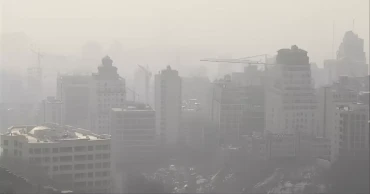
Dhaka ranks third among world’s most polluted cities
Dhaka, the densely populated capital of Bangladesh, ranked third among the world’s most polluted cities on Monday morning, recording an Air Quality Index (AQI) of 248 at 8:11 am.
Today, the city’s air was classified as ‘very unhealthy’, indicating a serious health threat, according to the AQI report.
Dakar in Senegal, Doha in Qatar, and Cairo in Egypt occupied the first, second, and fourth spots on the list, with AQI scores of 380, 254, and 246 respectively.
According to the AQI scale, a reading between 50 and 100 is considered ‘moderate’, with generally acceptable air quality, though sensitive individuals should limit prolonged outdoor exertion. AQI levels of 101–150 are ‘unhealthy for sensitive groups’, 151–200 is ‘unhealthy’, 201–300 is ‘very unhealthy’, and readings above 301 are considered ‘hazardous’, posing severe health risks.
The AQI, which reports daily air quality, informs residents how clean or polluted the air is and highlights potential health effects. In Bangladesh, the AQI is calculated based on five key pollutants: particulate matter (PM10 and PM2.5), nitrogen dioxide (NO2), carbon monoxide (CO), sulfur dioxide (SO2), and ozone.
Air pollution: Dhaka 5th worst city in the world today
Dhaka has long struggled with air pollution. Air quality usually deteriorates in winter and improves during the monsoon season.
The World Health Organization (WHO) estimates that air pollution causes about seven million deaths worldwide each year, primarily from stroke, heart disease, chronic obstructive pulmonary disease, lung cancer, and acute respiratory infections.
5 days ago

Unhealthy air grips Dhaka, ranks second globally
Dhaka, the densely populated capital of Bangladesh, ranked second among the world’s most polluted cities on Wednesday morning, recording an Air Quality Index (AQI) of 282 at 8:18 am.
Today, the city’s air was classified as ‘very unhealthy’, indicating a serious health threat, according to the AQI report.
Delhi in India, Kolkata in India and Karachi in Pakistan occupied the first, third, and fourth spots on the list, with AQI scores of 326, 193, and 176 respectively.
According to the AQI scale, a reading between 50 and 100 is considered ‘moderate’, with generally acceptable air quality, though sensitive individuals should limit prolonged outdoor exertion. AQI levels of 101–150 are ‘unhealthy for sensitive groups’, 151–200 is ‘unhealthy’, 201–300 is ‘very unhealthy’, and readings above 301 are considered ‘hazardous’, posing severe health risks.
Dhaka ranks second globally for air pollution with AQI at 288
The AQI, which reports daily air quality, informs residents how clean or polluted the air is and highlights potential health effects. In Bangladesh, the AQI is calculated based on five key pollutants: particulate matter (PM10 and PM2.5), nitrogen dioxide (NO2), carbon monoxide (CO), sulfur dioxide (SO2), and ozone.
Dhaka has long struggled with air pollution. Air quality usually deteriorates in winter and improves during the monsoon season.
The World Health Organization (WHO) estimates that air pollution causes about seven million deaths worldwide each year, primarily from stroke, heart disease, chronic obstructive pulmonary disease, lung cancer, and acute respiratory infections.
10 days ago
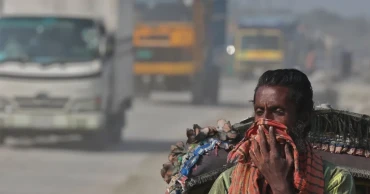
Dhaka ranks second globally for air pollution with AQI at 288
Dhaka, the densely populated capital of Bangladesh, ranked second among the world’s most polluted cities on Tuesday morning, recording an Air Quality Index (AQI) of 288 at 9:20 am.
Today, the city’s air was classified as ‘very unhealthy’, indicating a serious health threat, according to the AQI report.
Delhi in India, Lahore in Pakistan, and Kolkata in India occupied the first, third, and fourth spots on the list, with AQI scores of 306, 234, and 219 respectively.
According to the AQI scale, a reading between 50 and 100 is considered ‘moderate’, with generally acceptable air quality, though sensitive individuals should limit prolonged outdoor exertion. AQI levels of 101–150 are ‘unhealthy for sensitive groups’, 151–200 is ‘unhealthy’, 201–300 is ‘very unhealthy’, and readings above 301 are considered ‘hazardous’, posing severe health risks.
The AQI, which reports daily air quality, informs residents how clean or polluted the air is and highlights potential health effects. In Bangladesh, the AQI is calculated based on five key pollutants: particulate matter (PM10 and PM2.5), nitrogen dioxide (NO2), carbon monoxide (CO), sulfur dioxide (SO2), and ozone.
Dhaka ranks second globally for air pollution with AQI at 254
Dhaka has long struggled with air pollution. Air quality usually deteriorates in winter and improves during the monsoon season.
The World Health Organization (WHO) estimates that air pollution causes about seven million deaths worldwide each year, primarily from stroke, heart disease, chronic obstructive pulmonary disease, lung cancer, and acute respiratory infections.
11 days ago

Dhaka eyes stronger economic, technological cooperation with Tokyo
Chief Adviser Prof Muhammad Yunus on Monday congratulated Japanese Prime Minister Sanae Takaichi on the historic and landslide victory of Liberal Democratic Party (LDP), noting that the Bangladesh government looks forward to working closely with her administration to strengthen Dhaka-Tokyo partnership further.
“The government of Bangladesh looks forward to working closely with your administration to further strengthen our partnership, deepen economic and technological cooperation, and advance our shared priorities for mutual benefit,” he said in a message to Takaichi.
Takaichi’s governing party secured a two-thirds supermajority in parliamentary elections.
Feb-12 polls must be fair, with no room for bias: Prof Yunus
The landslide victory was due, in large part, to the extraordinary popularity of Japan’s first female prime minister, and allowed her to pursue a significant conservative shift in Japan’s security, immigration and other policies.
“On behalf of the government and the people of Bangladesh, and on my own behalf, I extend my warmest congratulations on the historic and landslide victory of Liberal Democratic Party (LDP) under your leadership in the election to the House of Representatives held on 8 February 2026,” Prof Yunus said.
He said this decisive mandate reflects the strong confidence and trust placed in her leadership and vision by the people of Japan.
“I am confident that, under your continued stewardship, Japan will further advance stability, prosperity, and constructive engagement both regionally and globally,” Prof Yunus said.
He said Bangladesh attaches highest importance to its long-standing and trusted partnership with Japan.
“We remain deeply appreciative of Japan's consistent support for Bangladesh's development, including our cooperation in quality infrastructure and connectivity, which has made a lasting contribution to our people and economy,” said the Chief Adviser.
Prof Yunus conveyed her best wishes for her good health and success, and for the continued peace, progress, and well-being of the people of Japan.
Spain’s deadly train crash saddens Prof Yunus
12 days ago
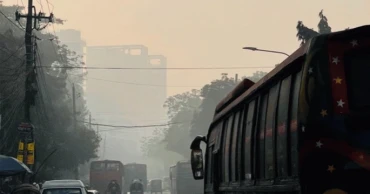
Dhaka ranks second globally for air pollution with AQI at 254
Dhaka, the densely populated capital of Bangladesh, ranked second among the world’s most polluted cities on Monday morning, recording an Air Quality Index (AQI) of 254 at 9:17 am.
Today, the city’s air was classified as ‘very unhealthy’, indicating a serious health threat, according to the AQI report.
Lahore in Pakistan, Delhi in India, and Ulaanbaatar in Mongolia occupied the first, third, and fourth spots on the list, with AQI scores of 282, 225, and 200 respectively.
According to the AQI scale, a reading between 50 and 100 is considered ‘moderate’, with generally acceptable air quality, though sensitive individuals should limit prolonged outdoor exertion. AQI levels of 101–150 are ‘unhealthy for sensitive groups’, 151–200 is ‘unhealthy’, 201–300 is ‘very unhealthy’, and readings above 301 are considered ‘hazardous’, posing severe health risks.
The AQI, which reports daily air quality, informs residents how clean or polluted the air is and highlights potential health effects. In Bangladesh, the AQI is calculated based on five key pollutants: particulate matter (PM10 and PM2.5), nitrogen dioxide (NO2), carbon monoxide (CO), sulfur dioxide (SO2), and ozone.
Unhealthy air puts Dhaka third on global pollution list
Dhaka has long struggled with air pollution. Air quality usually deteriorates in winter and improves during the monsoon season.
The World Health Organization (WHO) estimates that air pollution causes about seven million deaths worldwide each year, primarily from stroke, heart disease, chronic obstructive pulmonary disease, lung cancer, and acute respiratory infections.
12 days ago

Dhaka to be made ‘safe city’ with 40 new playgrounds: Tarique
BNP Chairman Tarique Rahman on Sunday promised that his party, if elected, would transform Dhaka into a ‘safe city’ and construct at least 40 playgrounds across the capital.
“My party, InshaAllah, if elected with your votes and the votes of the people of this country, will transform the cities across the country, including Dhaka, into a safe city,” he said.
While addressing a roadside rally in ECB Chattar area of Mirpur in Dhaka-17 at around 3:45 pm on the first day of his final election campaign in the city, Tarique also said his party will work to turn Dhaka into a liveable city where people can move freely and securely.
Tarique vows quick implementation of Teesta Master Plan if BNP forms govt
“It will be made a city where mothers and sisters can walk freely and safely at any time, where people can live securely, carry out their businesses and jobs without fear. We want to build Dhaka into a beautiful city where the residents can breathe freely,” he observed.
Referring to the shortage of playgrounds in the area, the BNP chairman said he has been informed that there were no adequate playfields in the locality.
“InshaAllah, if BNP forms the government on February 12 with your prayers and the blessings of Allah, we will not only build playgrounds here but will construct at least 40 playgrounds across Dhaka,” he said.
Tarique said the playgrounds will allow the children to play in open spaces and the elders and women to walk and spend time outdoors when needed.
He also sought votes across the country for the BNP’s election symbol, the sheaf of paddy, saying the election is crucial for rebuilding the nation.
Introducing himself to voters, he said he is the BNP candidate from Dhaka-17 and a son of the area. “I grew up here from my childhood. My children and my brother’s children were born here, and we also got married here. Our family life is deeply rooted in this area,” he said.
As a local resident and a son of the area, Tarique appealed to the elders, women and young voters of the constituency to support him by voting for the sheaf of paddy in the February 12 election.
The BNP chief also pledged to develop the road from ECB Chattar to Jasimuddin area to ease communication problems for local residents.
After concluding the roadside rally, Tarique Rahman left for another campaign rally at Adarsha High School in Senpara, Mirpur-10 area.
He is also scheduled to address election rallies in Pallabi’s Lalmath under Dhaka-16, Mirpur under Dhaka-15, the National Bangla High School ground opposite Mirpur Model Thana under Dhaka-14, Shyamoli Club ground under Dhaka-13, and Satarkul area of Badda under Dhaka-11.
BNP unveils election manifesto with nine pledges, prioritising graft elimination, rule of law, accountability
13 days ago