Body Dysmorphic Disorder
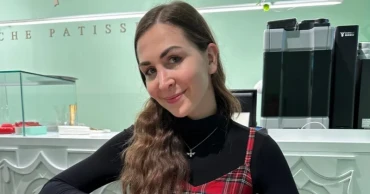
Overcoming body dysmorphia: stories of self-acceptance
Charlotte and Tilly, two young women, have shared their journeys of overcoming Body Dysmorphic Disorder (BDD), a mental health condition marked by obsessive concern over perceived physical flaws that disrupt daily life.
Charlotte said her struggle began in early teens, with compulsive routines such as waking at 5:30 am to apply and remove makeup repeatedly. Her fear of being photographed and social anxiety led her to skip college events and isolate herself. She was later diagnosed with BDD and underwent therapy, including a residential program for anxiety disorders in London. Occupational therapy and creative activities like music helped her channel perfectionism and rebuild self-esteem.
Experts, including Viren Swami of Anglia Ruskin University, explained that BDD differs from general body dissatisfaction as it significantly interferes with everyday life, often causing repetitive behaviours such as mirror checking and distress over minor perceived flaws. While more common in women, BDD affects all genders and requires professional support.
Tilly, who also developed BDD in her early teens, recalled feeling ashamed of her appearance and avoiding social events. Her symptoms intensified while studying fashion design at university. Through NHS therapy and support from the BDD Foundation, she learned to manage obsessive thoughts and gradually regained control over her life.
Both women now advocate for awareness and early intervention. Charlotte emphasizes that recovery is possible, stating: “I feel so fulfilled and so happy and so peaceful, and I really do love my life now.” Tilly echoes that support and patience are crucial, as BDD often requires long-term professional help.
Mental health specialists advise anyone experiencing BDD symptoms to consult a GP and seek therapy, while friends and family are urged to respond with empathy rather than frustration. Organizations such as the BDD Foundation provide guidance and support for those affected.
For further information and support, individuals are encouraged to visit BBC Action Line.
With inputs from BBC
3 days ago